

How to Choose the Right Incontinence Underpad for Overnight Protection
Getting a good night’s sleep shouldn’t come with worry or discomfort. For individuals managing incontinence or caring for someone who is, incontinent, overnight protection plays a key role in maintaining both hygiene and peace of mind. Incontinence underpads are designed to protect bedding, improve comfort, and reduce the stress that can come with nighttime accidents, but not all underpads offer the same level of performance.
Choosing the right option means considering factors like absorbency, material, size, and whether the underpad is disposable or reusable. The right choice can make a meaningful difference in sleep quality, skin health, and overall confidence through the night. In this guide, we’ll walk through what to look for so you can select an incontinence underpad that provides reliable overnight protection and fits your specific needs.
Understanding Incontinence Underpads
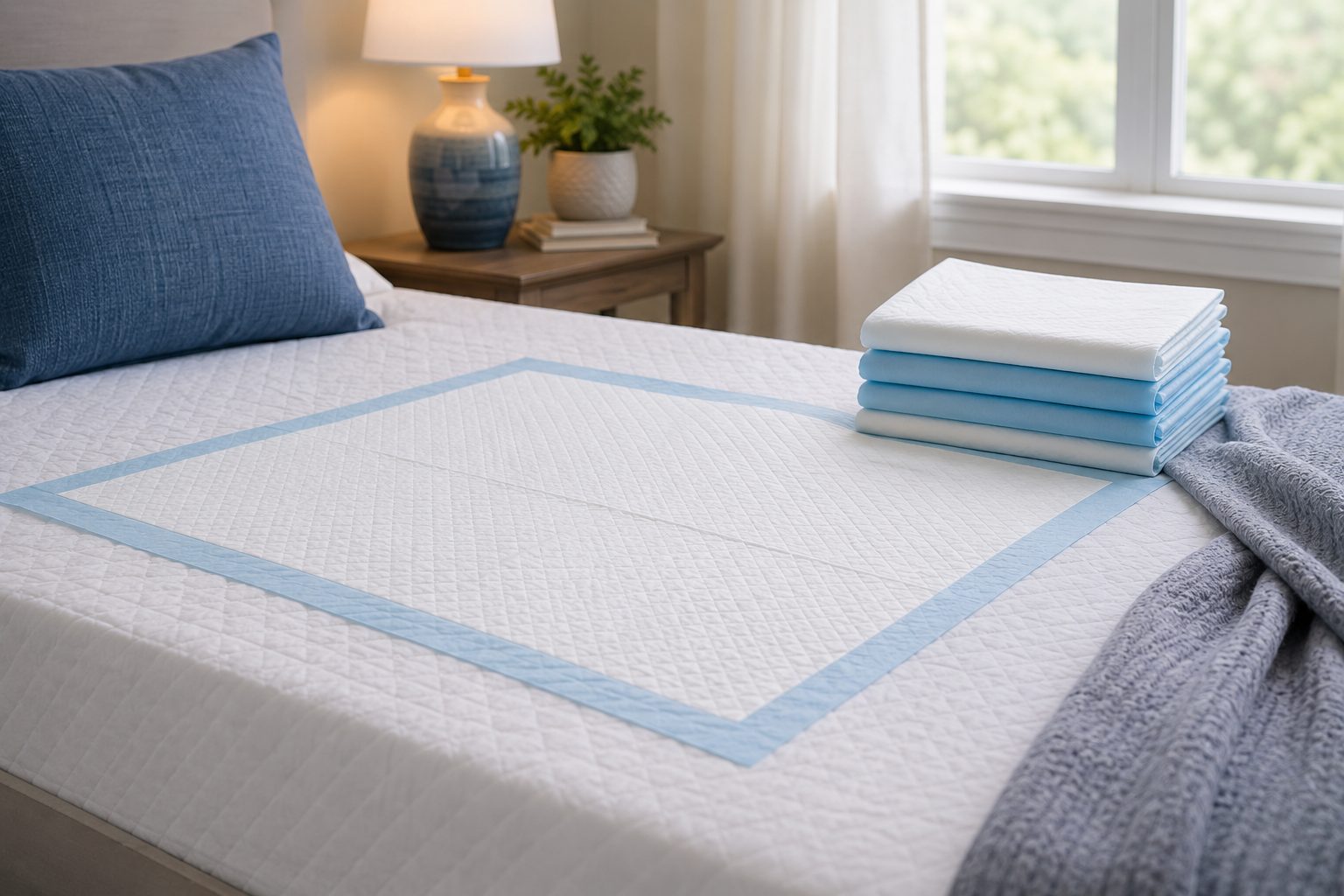
Incontinence underpads are absorbent, protective pads designed to shield bedding, furniture, and other surfaces from leaks and moisture. They are typically placed directly on top of a mattress or seating area and work by quickly absorbing liquid and locking it into internal layers, helping keep the surface underneath dry. Most underpads also feature a waterproof backing that prevents moisture from seeping through, reducing the risk of stains, odors, and skin irritation.
These products are commonly used by a wide range of individuals. Seniors managing age-related incontinence often rely on underpads for added nighttime protection and peace of mind. They are also frequently used by post-surgery patients who may experience temporary loss of bladder control during recovery. In addition, caregivers in home care or facility settings use underpads to simplify cleanup and maintain a hygienic environment for those who require assistance with mobility or continence care.
It’s also important to understand how underpads differ from other incontinence products. Adult briefs are worn like underwear and provide full-body protection, making them suitable for continuous wear and more significant incontinence needs. Mattress protectors, on the other hand, are fitted covers that encase the entire mattress for long-term protection but are not designed for quick changes or daily use. Underpads sit in between these options, offering a convenient, removable layer of protection that can be changed easily as needed, especially useful for overnight use when comfort and quick cleanup are priorities.
Key Factors to Consider When Choosing an Underpad
Selecting the right incontinence underpad for overnight use comes down to more than just picking a standard option. The level of protection, comfort, and fit can significantly impact sleep quality and overall effectiveness. Understanding the most important features will help ensure the underpad meets both practical and personal needs.
- Absorbency levels: Underpads are typically designed for light, moderate, or heavy protection. For overnight use, higher absorbency is often preferred since it can handle longer periods without needing to be changed. Heavy-duty options are designed to quickly lock in larger amounts of liquid and reduce the risk of leaks while sleeping.
- Size options: Some underpads are made for targeted placement, such as under the hips or lower back area, while others are large enough to cover a significant portion of the bed. For overnight protection, larger sizes are often more effective because they provide a wider safety zone, especially for individuals who move during sleep.
- Material types: Materials used for underpads vary widely and influence both performance and comfort. Many underpads include multiple layers, such as a soft top layer, an absorbent core made of fluff pulp or polymer beads, and a waterproof backing to prevent leakage onto bedding. These layered materials work together to draw moisture away quickly and trap it securely inside the pad.
- Skin sensitivity and comfort: Individuals with sensitive skin may benefit from softer, hypoallergenic top layers that help reduce irritation and keep the skin dry. A breathable surface can also help prevent discomfort caused by heat or moisture buildup during the night. Choosing an underpad that balances absorbency with gentle materials can make a noticeable difference in overall comfort and skin health.
Disposable vs. Washable Underpads
When choosing an incontinence underpad for overnight protection, one of the most important decisions is whether to use disposable or washable options. Each has distinct advantages, and the right choice often depends on lifestyle, caregiving needs, and personal preference.
Disposable Underpads
Disposable underpads are designed for single use and then discarded. Their biggest advantage is convenience, once soiled, they can simply be removed and replaced, making nighttime changes quick and easy. They also support strong hygiene control, since a fresh pad is used each time, which can be especially helpful for individuals with heavy incontinence or those who require frequent overnight changes. However, the ongoing cost can add up over time, and they generate more waste, which may be a concern for environmentally conscious users.
Washable Underpads
Washable underpads, on the other hand, are reusable and designed to withstand multiple wash cycles. They are often made with durable absorbent layers and waterproof backing that hold up well over time. The key benefits include long-term cost savings and reduced environmental impact, since the same pad can be used repeatedly. Many users also find them comfortable and reliable for consistent overnight protection. The downside is that they require regular laundering, which can be less convenient, especially in situations where quick replacements are needed during the night.
So which option is best for overnight use? In many cases, it depends on the level of care required. Disposable underpads are often preferred for heavy incontinence, travel, or situations where convenience and fast cleanup are priorities. Washable underpads, however, are a strong choice for ongoing home use, especially when looking for a cost-effective and sustainable long-term solution. Some caregivers even choose to use both, washable pads as a base layer and disposable ones for added protection on heavier nights.
Importance of Overnight Protection Features
Not all incontinence underpads are designed with the same level of overnight performance in mind, which is why specific features can make a significant difference in comfort, cleanliness, and peace of mind while sleeping.
- Leak barriers and waterproof layers: A high-quality underpad typically includes a waterproof backing that acts as the final line of defense, while internal leak guards help contain fluids within the absorbent core. This layered protection is especially important overnight, when changes are less frequent and exposure time is longer.
- Odor control technology: Many modern underpads are designed to lock in moisture quickly and reduce the development of odors, helping maintain a fresher sleep environment. This not only improves comfort for the user but also helps caregivers maintain a more sanitary and pleasant bedroom setting.
- Quick-dry and moisture-wicking materials: By pulling moisture away from the surface and distributing it into absorbent layers, these materials help keep the top layer dry against the skin. This reduces the risk of irritation, discomfort, and prolonged dampness throughout the night.
- Stability features such as slip resistance and secure placement: Underpads that shift or bunch up during the night can reduce effectiveness and create discomfort. Options with adhesive strips, textured backings, or weighted edges help keep the pad securely in place, even for individuals who move frequently during sleep.
Together, these features ensure that overnight protection is not only effective but also comfortable and reliable, helping users rest easier without worrying about leaks or disruptions.
Matching Underpads to Individual Needs
Choosing the right incontinence underpad isn’t a one-size-fits-all decision. The most effective option depends on the individual’s daily routine, level of care needed, and overall health condition. Matching the product to specific needs helps improve comfort, reduce stress, and ensure reliable overnight protection.
- Mobility levels: Independent users who are able to get in and out of bed on their own may prefer underpads that are easy to reposition or replace as needed. In contrast, bedbound individuals often require larger, more absorbent underpads that provide full coverage and minimize the need for frequent adjustments during the night.
- Frequency and severity of incontinence: Those with light, occasional leaks may only need a basic level of protection, while individuals with more frequent or heavy overnight incontinence will benefit from high-absorbency underpads designed to lock in larger amounts of fluid and prevent leakage over extended periods.
- Caregiver involvement: In situations where caregivers are assisting with nighttime care, ease of changing the underpad becomes especially important. Disposable options or washable pads designed for quick removal can help streamline overnight care routines and reduce disruption to sleep for both the caregiver and the individual.
- Care setting: The setting of care, whether at home or in a facility, can influence the best choice. Home care environments may prioritize comfort, cost-effectiveness, and reusability, while facilities often focus on efficiency, hygiene protocols, and quick turnaround between uses. Understanding these differences helps ensure the underpad selected supports both practical care needs and long-term comfort.
Common Mistakes to Avoid
When selecting incontinence underpads for overnight protection, small missteps can lead to discomfort, leaks, or unnecessary frustration. Being aware of these common mistakes can help ensure a more effective and reliable choice.
- Choosing underpads with insufficient absorbency: Overnight use typically requires higher absorbency levels due to longer wear time and reduced ability to change pads during sleep. Selecting a lighter-duty option may result in leaks, damp bedding, and interrupted rest.
- Ignoring size and coverage needs: An underpad that is too small may shift out of place or fail to protect key areas of the bed. Proper sizing is especially important for individuals who move during sleep or require full-bed protection. Choosing the right dimensions helps ensure consistent coverage and reduces the risk of accidents reaching the mattress.
- Overlooking skin protection and irritation risks: Underpads that do not effectively wick moisture away from the skin can leave the surface damp for extended periods, increasing the likelihood of irritation, redness, or discomfort. Prioritizing breathable, quick-drying materials can help maintain healthier skin overnight.
- Relying on price alone instead of quality: While budget is always a consideration, the cheapest option may not provide the durability, absorbency, or comfort needed for reliable overnight protection. Investing in a well-designed underpad often leads to better performance, fewer changes, and improved overall comfort.
Tips for Better Overnight Comfort and Protection
Even with the right incontinence underpad, a few simple habits can further improve comfort, reduce leaks, and support healthier sleep. Small adjustments to nighttime routines can make a noticeable difference in both protection and peace of mind.
- Layering bedding for added protection: Many caregivers and users choose to place an underpad on top of a fitted waterproof mattress cover for an extra barrier against leaks. This layered approach helps protect the mattress while still allowing the underpad to be changed quickly and easily during the night if needed.
- Establishing a changing schedule for overnight use: For individuals with heavier incontinence, a quick check or change before bedtime and early in the morning can reduce the risk of prolonged moisture exposure. In some cases, a scheduled nighttime change may also be beneficial, depending on the level of absorbency used.
- Pairing underpads with other incontinence products: Combining underpads with adult briefs or protective underwear can offer dual-layer protection for individuals with moderate to heavy incontinence. This combination approach is often used when extra confidence is needed for uninterrupted sleep or during travel and recovery periods.
- Maintaining skin health and hygiene routines: Keeping the skin clean and dry before bed helps reduce irritation, while using gentle cleansing products and applying barrier creams when necessary can provide added protection. Regular attention to skin care, along with reliable overnight protection, helps support overall comfort and well-being.
Incontinence Underpads from RL Specialty
Choosing the right incontinence underpad for overnight protection comes down to understanding individual needs, comfort preferences, and the level of support required for a restful night. From absorbency and sizing to material quality and protective features, each factor plays a role in preventing leaks, protecting bedding, and maintaining dignity and comfort.
While disposable options can offer convenience, many individuals and caregivers find that washable underpads provide a dependable long-term solution, especially for overnight use. They offer strong absorbency, durable construction, and the added benefit of reusability, making them both practical and cost-effective over time.
For those looking for a reliable option that balances comfort, performance, and sustainability, washable underpads are an excellent choice for everyday overnight protection. RL Specialty provides high-quality incontinence underpads that can be used for beds, chairs, wheelchairs, and more.
The right underpad can make a meaningful difference in sleep quality, confidence, and overall care, helping ensure nights are more comfortable, secure, and worry-free.